Biodiversity monitoring can be defined as the process of determining the state and tracking changes in living organisms and the ecological complexes of which they are part (1)
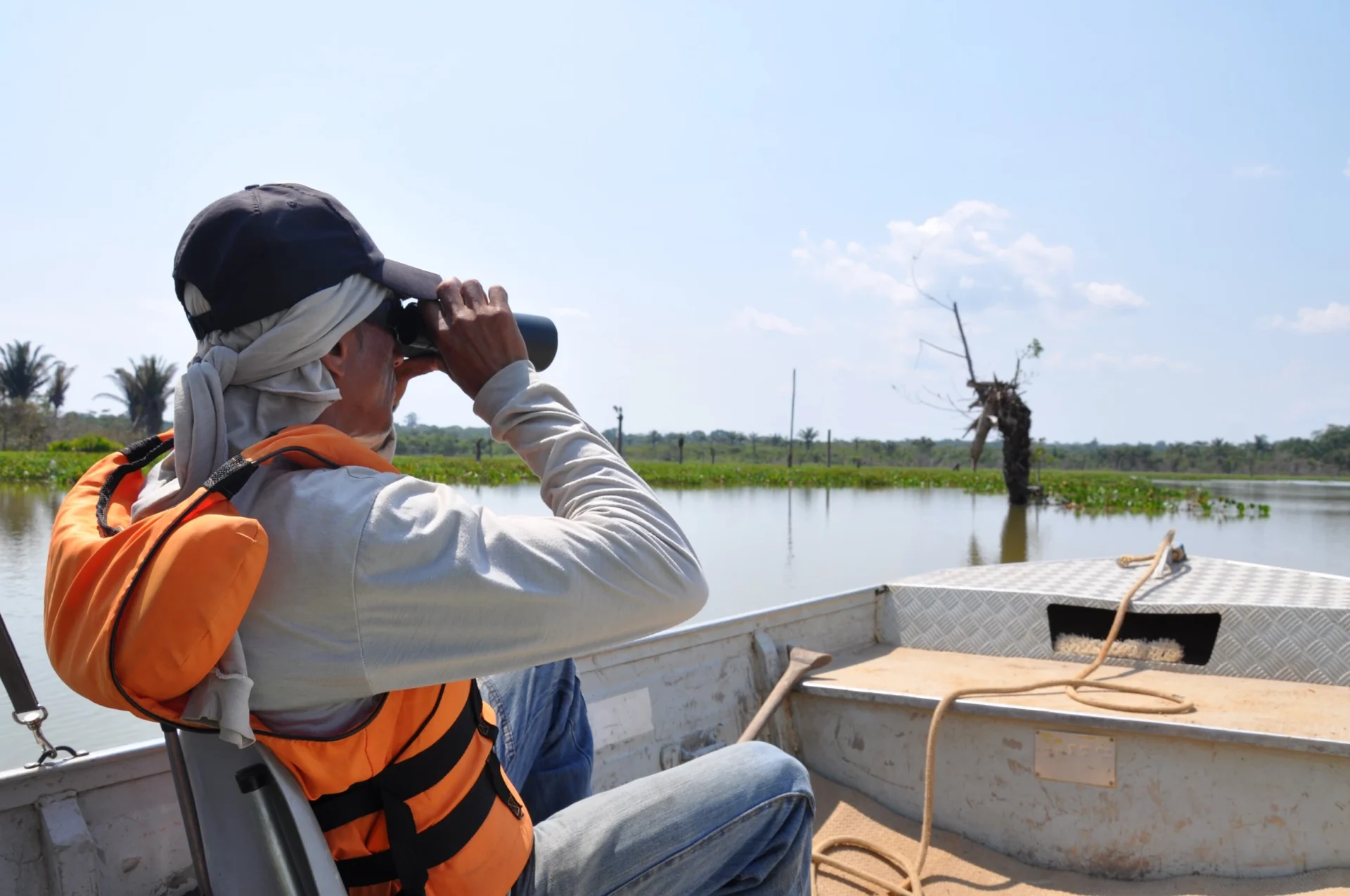
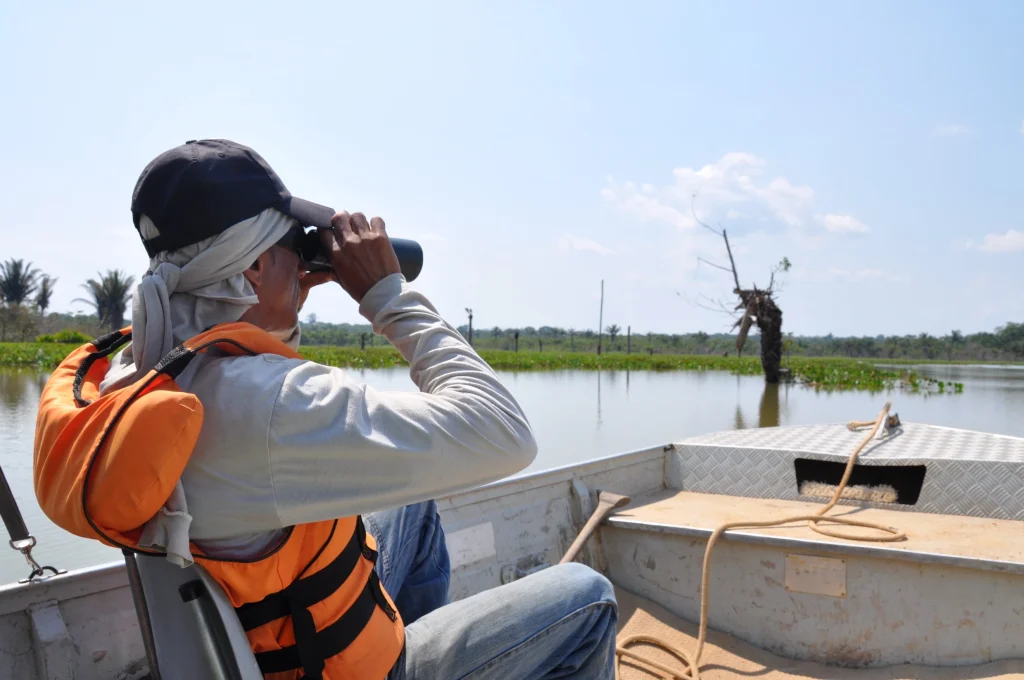
Monitoring of cetaceans in a tributary of the Madeira River-RO, Brazil. Own source: Rafael Meneses
Fauna and flora diagnosis and monitoring activities provide a basis for assessing the integrity of ecosystems, their responses to disturbances, and the success of actions taken to conserve or restore biodiversity. Thus, they can be applied to different objectives, such as measuring possible impacts arising from the installation and/or operation of a given enterprise on local and regional biodiversity, proposing actions for the management and conservation of species in protected, public and private areas, meeting the requirements of environmental licensing, among others.
Primary and secondary data can be used for such purposes, obtained through methods described in the literature, to obtain a representative sample of the species that make up the different groups of local and regional fauna. When well conducted, monitoring carried out from field surveys (in situ) produces a set of data that reflects the state of conservation found in the areas where it is applied, providing the base of biological information necessary to support the management and proposition of appropriate measures for the conservation of monitored environments. These environments can be either an area to be built, a small conservation unit, a set of protected areas, or even subsidizing the formulation of national conservation policies and goals.
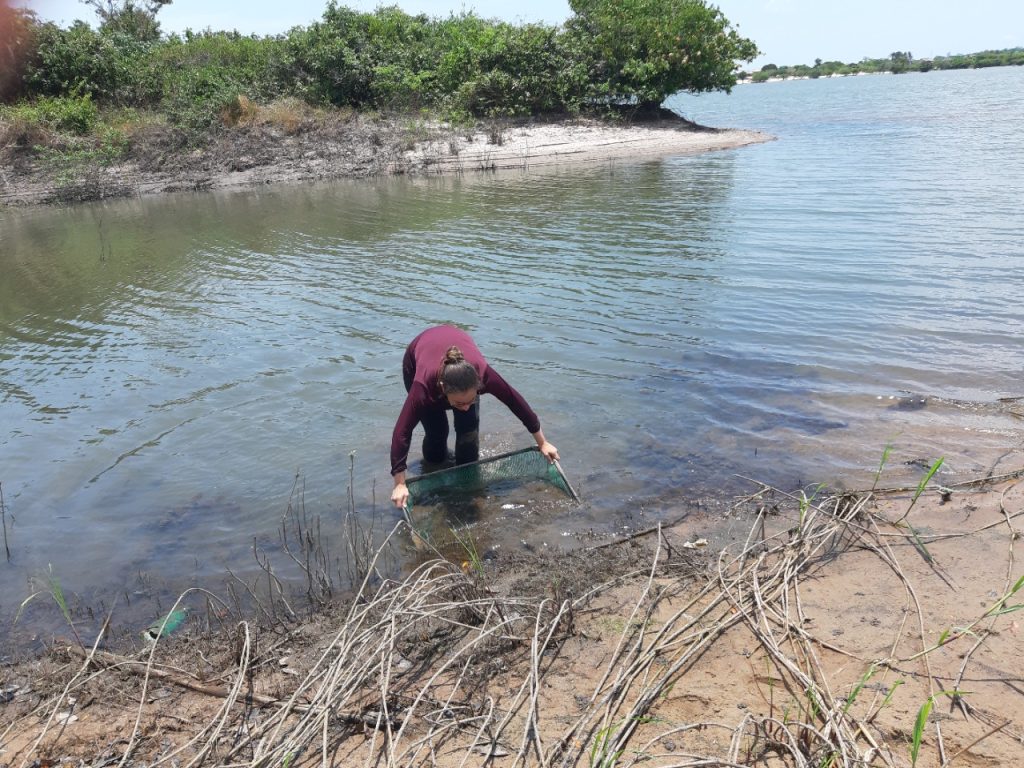
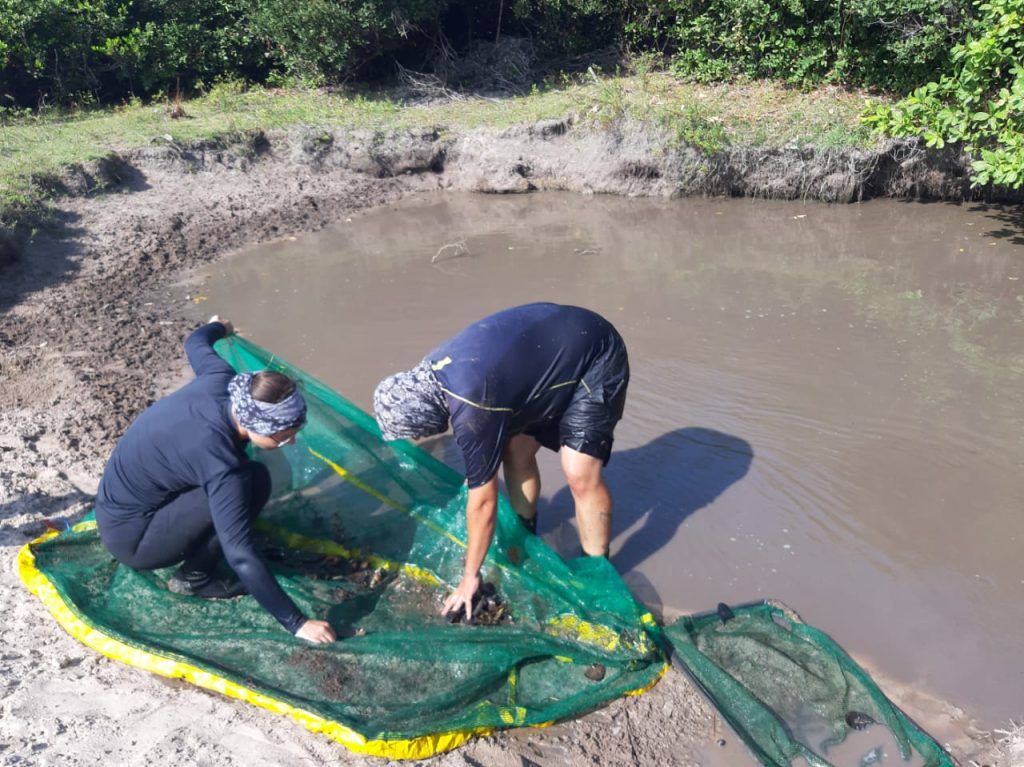
Fish inventory in Lençóis Maranhenses – MA, Brazil. Own source: Pamella BritoSmall fish inventory in Santarém – PA, Brazil. Own source: Pamella Brito
“Badly planned monitoring can result in inappropriate decision-making and divert conservation resources from other activities.”
To be effective, biodiversity monitoring programs need to be conducted with good questions asked, a robust conceptual model of how an ecosystem or population works, strong partnerships between scientists and managers, and correct use of collected data (2). Poorly planned monitoring can result in inappropriate decision-making and divert conservation resources from other activities. For some time now, the quality of environmental impact study programs in monitoring programs has been criticized in Brazil, for not being fully implemented and not leading to better environmental decision-making, being more critical in the case of biodiversity monitoring programs (3 ).
Bônus de boas-vindas no cassino r38|Bônus de boas-vindas de até R$ 4.500 nos primeiros depósitos
Site record of Pteronura brasiliensis, without recent use, in a tributary of the Madeira River-RO, Brazil. Own source: Rafael Meneses
IBPBio is made up of highly qualified multidisciplinary professionals, committed to biodiversity conservation and experienced in biodiversity monitoring activities. Our academic backgrounds combined with years of professional experience enable us to carry out diagnostic work and biodiversity monitoring effectively and ethically, following established protocols and formulating strategies to mitigate possible pressures on ecosystems.
Get in touch with us to find out more about our work!
(1) Secretariat of the Convention on Biological Diversity. 2010. Global biodiversity outlook 3. Convention on Biological Diversity. Montreal, QC. 94 p.

(2) Lindenmayer D.B., Likens G.E., 2010. The science and application of ecological monitoring. Biological Conservation. 143, 1317-1328.

(3) Monique da Silva Dias A., Fonseca A., Paglia A. P. 2017. Biodiversity monitoring in the environmental impact assessment of mining projects: A (persistent) waste of time and money?. Perspectives in Ecology and Conservation. 15(3):206-208.
Recreational, sports and experience activities that have nature as their main attraction should awaken reflection on the conservation and preservation of the environment and its
Two days ago (04/22/21) the Climate Leaders Summit was held, convened by the President of the United States, Joe Biden, which brought together 40 countries,